Filter by:
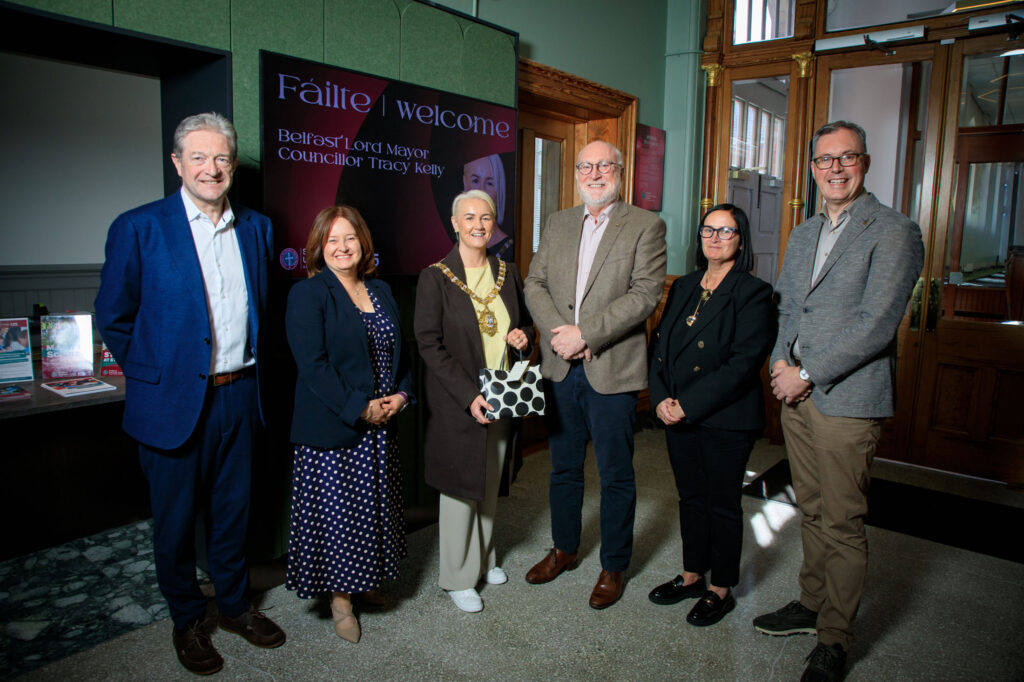
St Mary’s Welcomes the Lord Mayor of Belfast
April 23, 2026
St Mary’s University College was delighted to welcome the Lord Mayor of Belfast, Councillor Tracy Kelly, to campus on Thursday 23 April for an important civic engagement visit.
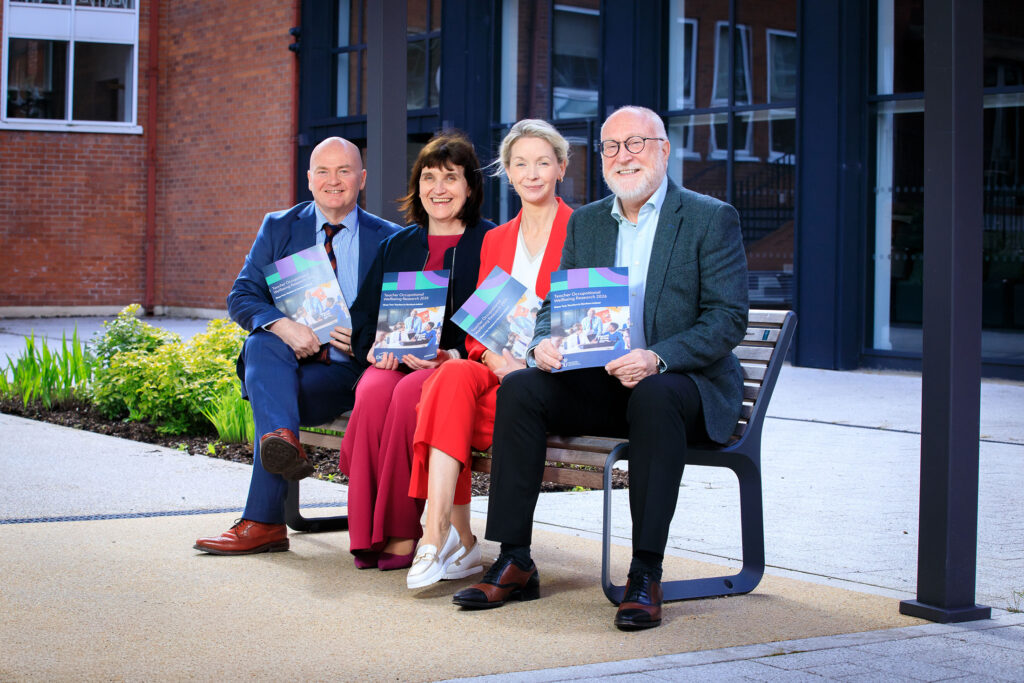
Wellbeing Research Launch
April 21, 2026
Nine in ten teachers (91%) in Northern Ireland are experiencing moderate to high levels of work-related burnout, according to new research from the Centre for Collaborative Research Across Teacher Education at Dublin City University in collaboration with St Mary’s University College in Belfast.
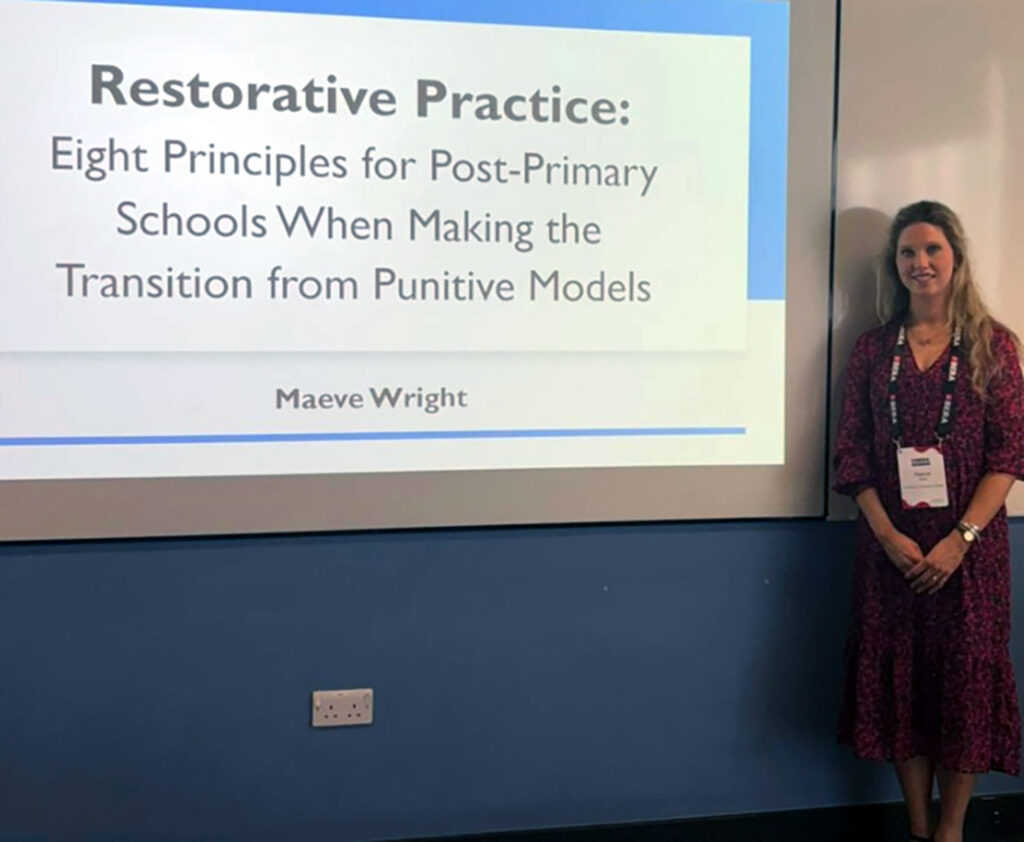
St Mary’s Masters Student Presents at BERA/TEAN Conference
May 21, 2026
A recent St Mary’s graduate Maeve Wright has presented research on how post-primary schools can move away from punitive discipline models towards restorative practices that build positive relationships and improve behaviour management.
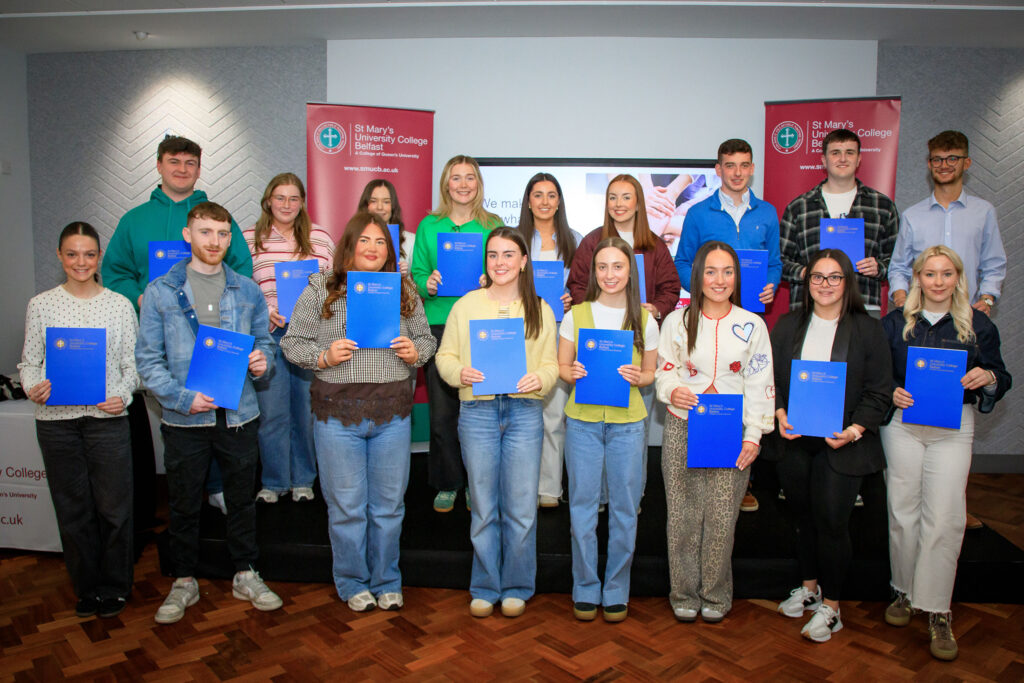
Value in Volunteering Celebration Event
May 11, 2026
On Wednesday 6th May 2026, the College celebrated the second annual ‘Value in Volunteering’ Celebration Event. The event was attended by Professor Peter Finn, staff, and students from the BEd and BA degree programmes who were recipients of awards.
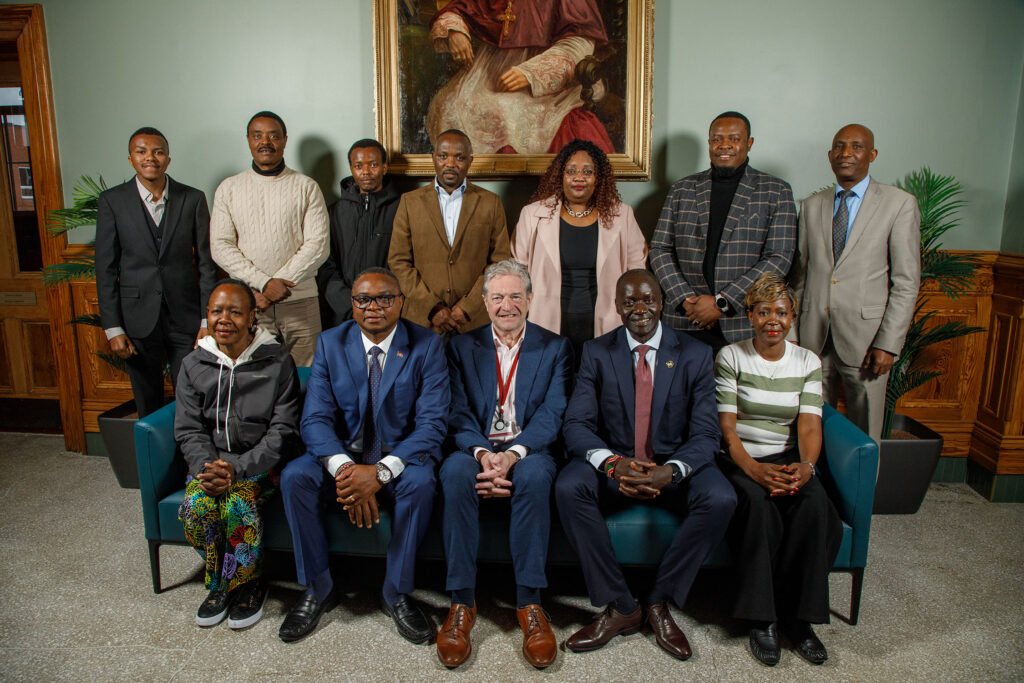
Kenyan Ambassadorial Visit
May 11, 2026
In a historic first for the United Kingdom and the Republic of Ireland, the Kenyan High Commissioner to the UK, Amb Maurice Makoloo, and the Kenyan Ambassador to Ireland, Amb George Orina, met in St Mary’s University College to discuss consular issues related to Kenyan citizens residing in these justifications.
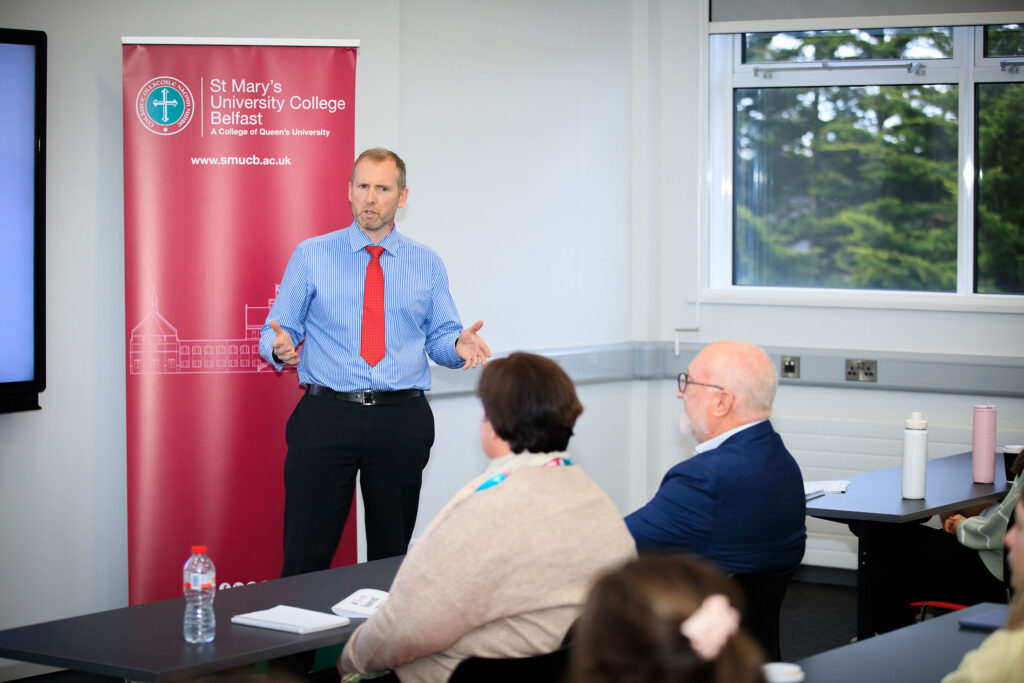
Research Seminar Supporting ITE Mathematics Recruitment
May 7, 2026
St Mary’s University College recently welcomed colleagues to a Research Dissemination Seminar focused on Mathematics Teacher Recruitment and Retention in Northern Ireland. The event was attended by Professor Peter Finn, Principal, alongside Angela Kane, Acting Director of Teacher Development, reflecting the Department’s strong engagement with this important area of provision.
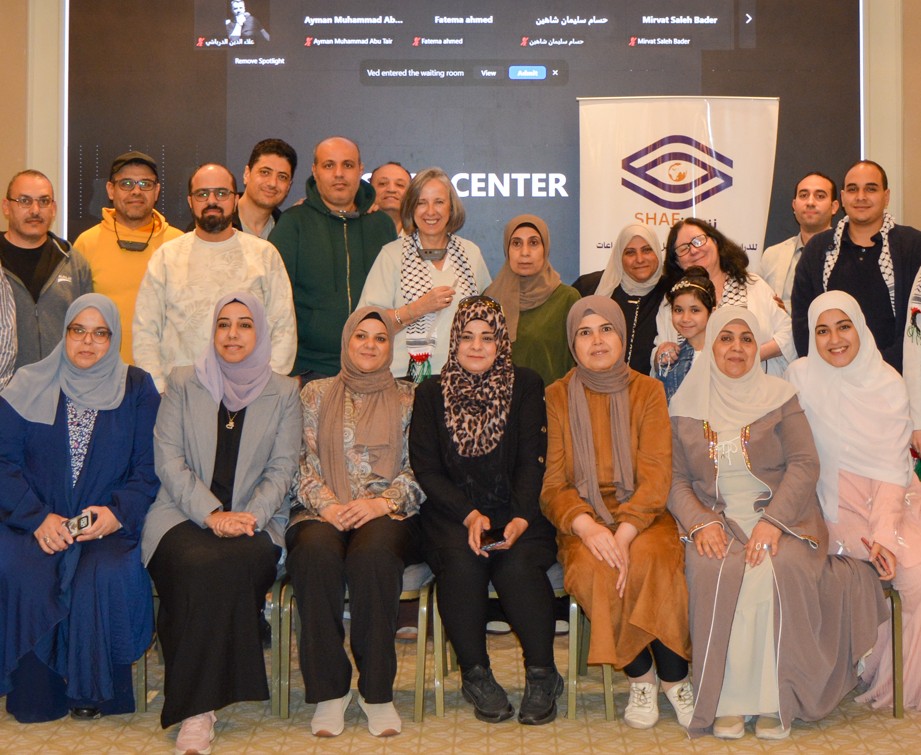
Gazan Teachers Training Initiative
April 30, 2026
St Mary’s and international partners continue to support Gazan teachers through blended training programmes, strengthening professional skills, collaboration, and educational resilience.
International Catholic Higher Education
April 24, 2026
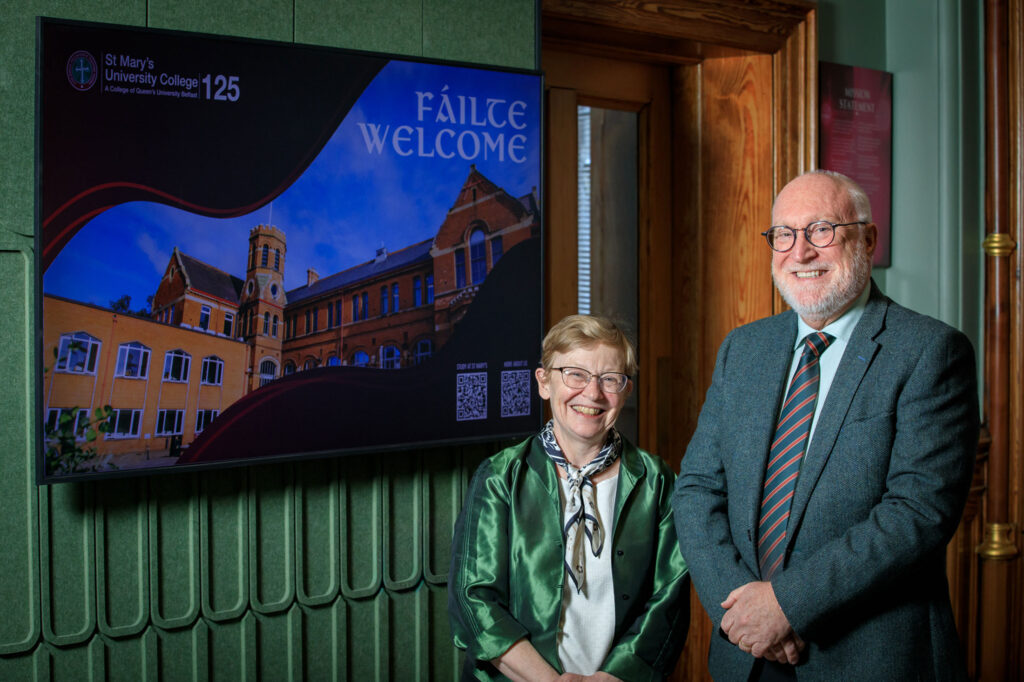
Dr Maura Mast, Professor of Mathematics and former Dean at Fordham University, visited St Mary’s University College as part of her research into international Catholic higher education, focusing on how Catholic institutions collaborate, sustain mission and identity, and respond to contemporary challenges as agents of hope, justice, dialogue, and reconciliation.
Dutch ‘Education and Diversity’ Conference
April 23, 2026
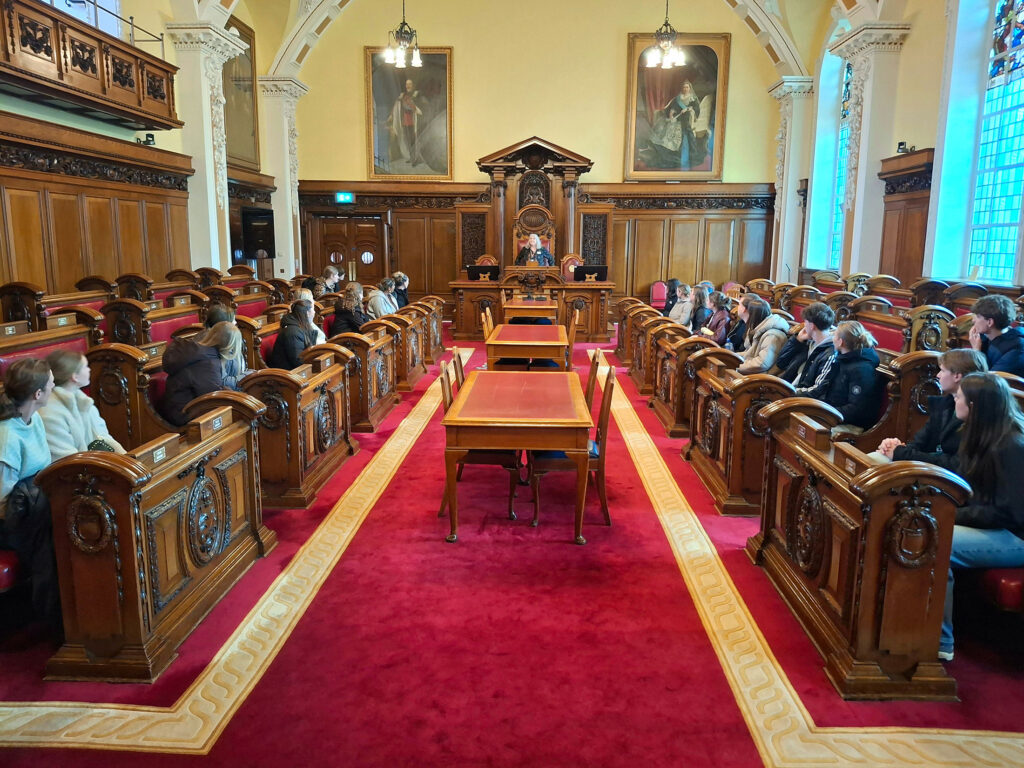
As part of its long‑standing partnership with the University of Applied Sciences Windesheim in Zwolle, the Netherlands, St Mary’s once again hosted the Dutch Education and Diversity study trip and conference in April 2026. The collaboration between the two institutions has now spanned more than thirty years.
Danish Teacher Delegation
April 22, 2026
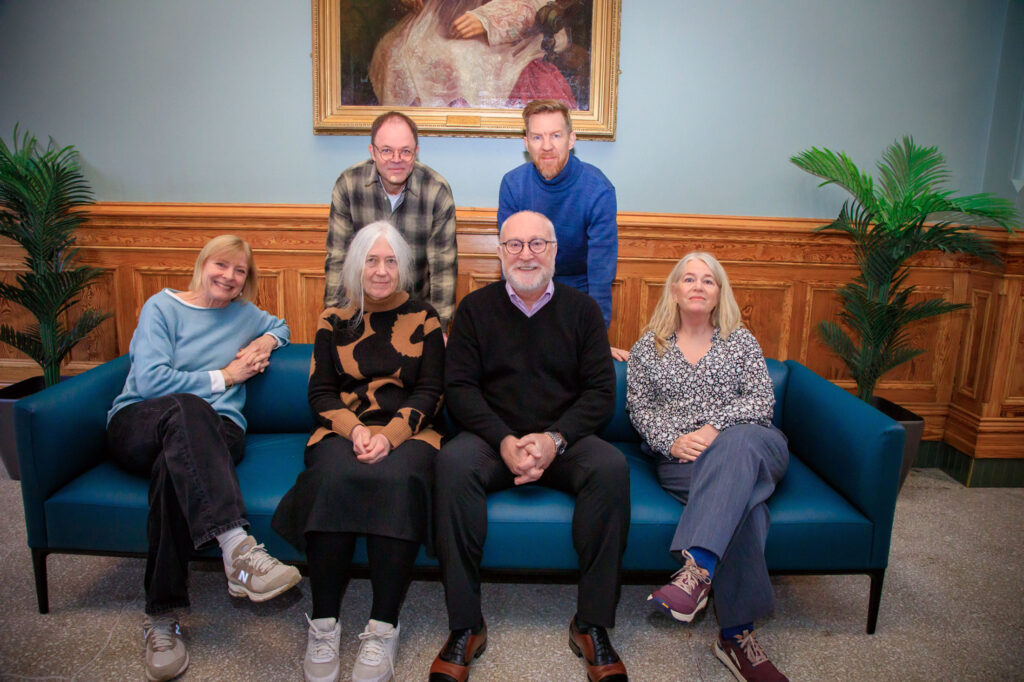
St Mary’s University College was delighted to welcome a delegation of Danish educators, including Margit Nordskov Nielsen (Editor, Anglo Files), to campus. Discussions with colleagues from An tÁisaonad Lán-Ghaeilge focused on the revival of Irish-medium education, exploring recent progress and ongoing challenges.